3D Mandala SVG, Layered Mandala SVG: A Creative Tool for Artists and Designers
In the world of digital design, 3D Mandala SVG and Layered Mandala SVG have become go-to resources for artists, designers, and hobbyists looking to add intricate, symbolic patterns to their projects. These vector-based files offer a level of detail and flexibility that can elevate any creative endeavor. Whether you're crafting custom artwork, designing for print, or creating digital assets, understanding how to use these files effectively is essential.
What Are 3D Mandala SVG and Layered Mandala SVG?
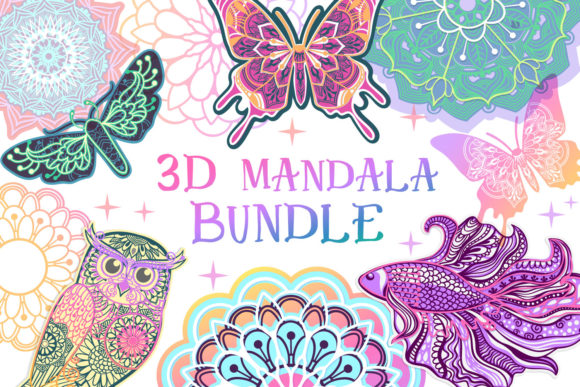
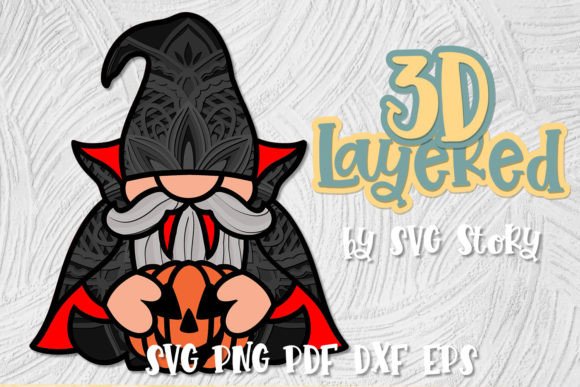
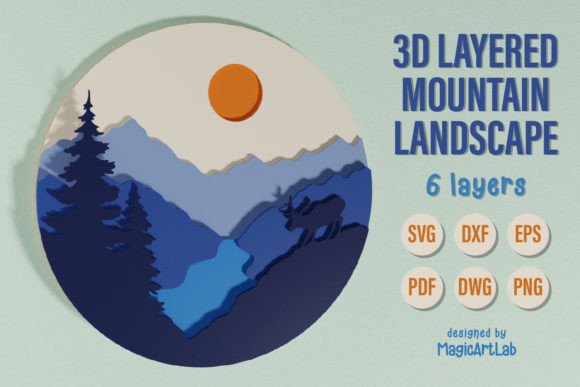
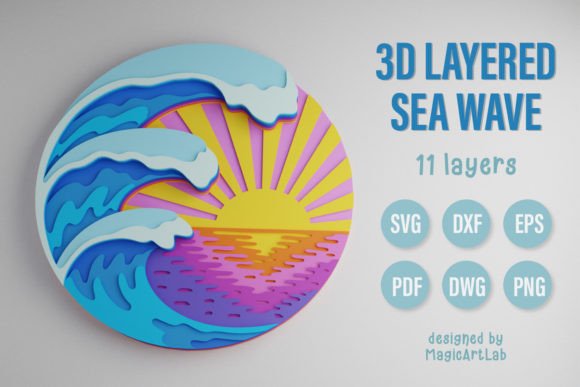
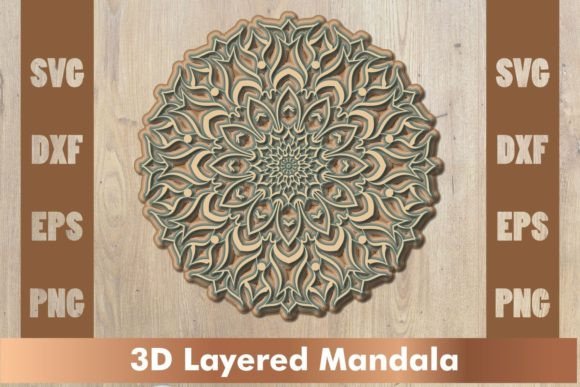
3D Mandala SVG refers to a scalable vector graphic that mimics the appearance of a three-dimensional mandala. This format allows for detailed, layered designs that can be resized without losing quality. Similarly, a Layered Mandala SVG provides separate layers for each element of the design, giving users more control over individual components. These files are often used in graphic design, digital art, and even in physical applications like laser cutting or engraving.
The appeal of these files lies in their versatility. They can be used for everything from personal projects to commercial ventures. The ability to adjust colors, sizes, and elements makes them valuable tools for creators who want precision and adaptability.
Common Mistakes When Working With 3D Mandala SVG and Layered Mandala SVG
Despite their usefulness, many users make mistakes when working with 3D Mandala SVG and Layered Mandala SVG. One common error is not checking the file format compatibility. For example, if you're using a program that doesn't support SVG files, you might end up with a distorted or unusable design. Always verify that your software can handle the file type before downloading or purchasing.
Another mistake is ignoring the layer structure. If you don’t understand how the layers are organized, it can be difficult to edit or customize the design. Some users assume that all Layered Mandala SVG files are created equally, but the complexity and organization of layers can vary significantly between different sources.
Why Layer Structure Matters
Consider this: if you’re using a Layered Mandala SVG for a laser-cut project, having well-organized layers ensures that each part of the design is cut correctly. If the layers are merged or mislabeled, you might end up with a final product that doesn’t match your expectations. This can lead to wasted time, materials, and frustration.
Misunderstandings About File Quality and Usability
Some users assume that all 3D Mandala SVG files are high quality, but this isn’t always the case. Poorly designed files may lack detail, have inconsistent lines, or be too complex for certain applications. It’s important to review sample images or download free previews before committing to a purchase.
Another misunderstanding is the belief that SVG files are always the best choice. While SVGs offer scalability and clarity, they may not be suitable for every project. For instance, if you're planning to print at a large size, an EPS file might provide better results. Understanding the strengths and limitations of each format is key to making informed decisions.
How to Avoid Common Pitfalls
To avoid these issues, start by researching the source of your 3D Mandala SVG or Layered Mandala SVG. Look for reviews, check the seller’s reputation, and ensure that the files come with clear documentation. Many reputable providers include instructions on how to use the files, which can save you time and prevent errors.
Before using any file, test it in your software. Open the SVG or DXF file and inspect the layers, colors, and overall structure. This step can help you catch potential problems early and avoid costly mistakes down the line.
Practical Tips for Using 3D Mandala SVG Files
- Check for proper layering: Ensure that each component of the design is separated so you can edit or remove parts as needed.
- Verify file formats: Confirm that the files are available in the correct format for your intended use (SVG, EPS, DXF, PNG).
- Test the design: Use a small section of the design to see how it looks in your software before applying it to a larger project.
Choosing the Right File for Your Needs
When selecting a 3D Mandala SVG or Layered Mandala SVG, consider the purpose of your project. If you're creating digital art, an SVG file with transparent PNG layers might be ideal. For physical applications like engraving or cutting, a DXF or EPS file could be more appropriate. Each format has its own advantages, and choosing the right one can make a big difference in the final result.
Additionally, think about the level of customization you need. Some files come with pre-set colors and styles, while others allow for full editing. If you're looking for flexibility, opt for files that give you control over individual elements.
Final Thoughts on 3D Mandala SVG and Layered Mandala SVG
3D Mandala SVG and Layered Mandala SVG are powerful tools that can enhance a wide range of creative projects. However, their effectiveness depends on how well you understand and use them. By avoiding common mistakes, checking file details, and choosing the right format for your needs, you can unlock the full potential of these designs.
Whether you're a beginner or an experienced designer, taking the time to learn about these files will help you make smarter choices and achieve better results. With the right approach, 3D Mandala SVG and Layered Mandala SVG can become valuable assets in your creative toolkit.