Lucky Cauldron 3D Papercraft: A Versatile Tool for Creative Workflows
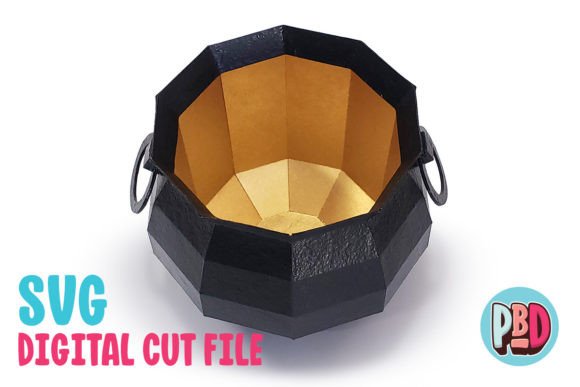
The Lucky Cauldron 3D Papercraft is a detailed and functional design that brings a touch of whimsy and practicality to any creative project. Whether you're crafting for a holiday, event, or personal decor, this papercraft offers a unique way to combine artistry with utility. Its dimensions—6 inches wide, 6 inches deep, and 4.5 inches high—make it ideal for holding small treats, trinkets, or as a decorative centerpiece. The design is intended for use with medium to heavy cardstock, ensuring durability and structural integrity.
Understanding the Role of Lucky Cauldron in Creative Processes
The Lucky Cauldron 3D Papercraft fits naturally into a variety of creative workflows. It can serve as a starting point for a project, a tool for organization, or a final product that enhances an event or space. For instance, if you're planning a St. Patrick’s Day party, the cauldron can be a central element that ties together decorations, favors, and themes. In a broader sense, it represents how physical objects can be both aesthetic and functional, bridging the gap between artistic expression and practical application.
This papercraft also plays a role in the planning and execution phases of a project. Before building, users must gather materials, understand the instructions, and prepare their workspace. During construction, attention to detail and following the provided texturing and painting tips ensures a polished result. After completion, the cauldron becomes a tangible outcome that can be used in various settings, from home decor to retail displays.
Integration with Digital Tools and Software
The Lucky Cauldron 3D Papercraft comes with a downloadable set of files, including SVG and DXF cut files, along with PDF instructions. These digital assets allow for seamless integration with popular design software such as Silhouette Designer Edition and Cricut Design Space. This compatibility makes it easier for creators to incorporate the design into their existing workflows, whether they're using a cutting machine or hand-cutting the pieces.
For users working with Silhouette Studio, the SVG files are the preferred option due to their clean and efficient performance. However, those using the basic edition may need to work with the DXF files. It's important to adjust the DXF preferences in Silhouette Studio to ensure proper alignment and clarity. While DXF files may open more slowly and require additional adjustments, they still provide a viable path for those with limited software access.
The inclusion of these digital files also supports a more organized and efficient workflow. By having all necessary files in one ZIP package, users can easily extract and manage them without confusion. This level of preparation helps reduce delays and ensures that the build process runs smoothly from start to finish.
Practical Tips for Building and Using the Lucky Cauldron
To get the most out of the Lucky Cauldron 3D Papercraft, consider the following practical tips:
- Material Selection: Use medium to heavy cardstock for the best results. Thicker paper provides better structure and longevity, especially if the cauldron will be used frequently.
- Texturing and Painting: Follow the provided instructions for texturing and painting to achieve a professional look. Experimenting with different colors and textures can add a personalized touch to the final product.
- Organization: Keep all components organized during assembly. Labeling pieces or arranging them in order can save time and reduce errors.
- Workspace Setup: Prepare your workspace with all necessary tools, such as glue, scissors, and a ruler. A well-organized area improves efficiency and reduces frustration.
These steps not only make the building process more enjoyable but also contribute to a higher-quality finished product. By taking the time to plan and execute each step thoughtfully, users can ensure that the Lucky Cauldron meets their expectations and serves its intended purpose.
Use Cases and Applications Beyond Holidays
While the Lucky Cauldron is often associated with St. Patrick’s Day, its versatility extends beyond seasonal use. It can be incorporated into a wide range of events, including weddings, birthdays, and themed parties. For example, a wedding planner might use the cauldron as a decorative element at a Celtic-themed reception, or a teacher could use it as a classroom decoration during a folklore unit.
In a business context, the Lucky Cauldron can be part of a marketing campaign or promotional display. Small businesses might use it as a gift bag filler or a custom packaging element for products. Its compact size and eye-catching design make it a valuable addition to any creative or commercial project.
Additionally, the cauldron can be a useful tool for educators and students. It can be used in art classes to teach 3D modeling, spatial reasoning, and design principles. For hobbyists, it offers an opportunity to explore papercraft techniques and develop new skills.
Long-Term Value and Sustainability
The Lucky Cauldron 3D Papercraft is not just a one-time project; it can be reused and repurposed for multiple occasions. Its durable construction allows it to withstand repeated use, making it a sustainable choice for eco-conscious creators. By investing in quality materials and following the provided instructions, users can extend the life of their papercraft and continue to enjoy its benefits over time.
Moreover, the design encourages creativity and experimentation. Users can modify the cauldron by adding custom details, changing the color scheme, or incorporating other elements such as LED lights or fabric accents. This adaptability ensures that the cauldron remains relevant and engaging, even after its initial build.
Conclusion: A Valuable Addition to Any Creative Workflow
The Lucky Cauldron 3D Papercraft is more than just a decorative item—it's a practical and versatile tool that can enhance a wide range of creative projects. From its detailed design and digital file compatibility to its potential for reuse and customization, it offers value across multiple applications. Whether you're a hobbyist, educator, or entrepreneur, integrating this papercraft into your workflow can bring both functionality and artistic flair to your work.