Oregon SVG, 3D Layered Laser Cut File: A Practical Tool for Creative and Manufacturing Workflows
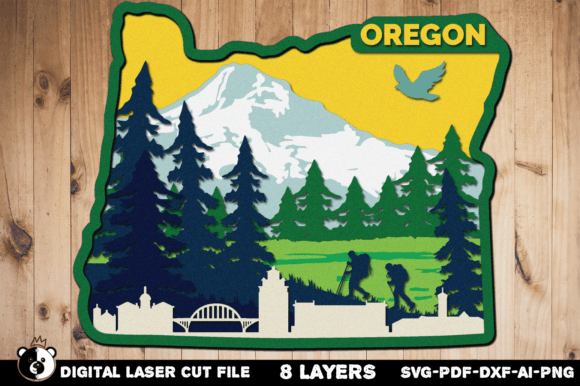
The Oregon SVG, 3D Layered Laser Cut File is a digital design resource that offers a streamlined approach to creating custom wooden projects using laser cutting technology. This file format provides precise vector instructions for cutting layered plywood components, making it ideal for both hobbyists and professionals looking to produce intricate, durable, and aesthetically pleasing items. Whether you're crafting decorative wall art, functional furniture, or commercial products, this tool fits seamlessly into your workflow.
Understanding the Role of Oregon SVG in the Design Process
Before diving into production, the Oregon SVG file serves as a foundational element in the design and planning phase. It acts as a blueprint that outlines how each layer of the project will fit together, ensuring accuracy and consistency. This level of detail is crucial when working with materials like plywood, where even minor misalignments can affect the final outcome.
The file is particularly useful for those who are new to laser cutting or CNC machining. By providing a clear visual representation of the design, it reduces the learning curve and allows users to focus on execution rather than trial and error. Additionally, the 3D layered structure enables users to visualize the end product before any physical cutting takes place, which is invaluable for quality control and design refinement.
Integrating Oregon SVG into Your Project Workflow
Once you have the Oregon SVG, 3D Layered Laser Cut File, the next step is to import it into your preferred design or cutting software. This integration allows you to adjust dimensions, add custom elements, or modify the layout based on your specific needs. The flexibility of the file makes it suitable for a wide range of applications, from personalized gifts to mass-produced items.
For example, if you're creating a series of wooden signs for a small business, you can use the Oregon SVG as a base and customize the text or graphics to match the brand's identity. Similarly, if you're building a modular shelving unit, the layered design ensures that each component interlocks perfectly, reducing assembly time and minimizing errors.
Practical Implementation Tips for Using Oregon SVG Files
To get the most out of the Oregon SVG, 3D Layered Laser Cut File, consider the following practical tips:
- Verify Compatibility: Ensure that the file format is compatible with your laser cutter or CNC machine. Most modern machines support SVG files, but it's always wise to double-check specifications.
- Test with Scrap Material: Before cutting the final pieces, use scrap wood to test the design. This helps identify any potential issues with alignment, cut depth, or material thickness.
- Optimize for Efficiency: Adjust the design to minimize waste and maximize the number of pieces you can cut from a single sheet of plywood. This not only saves costs but also improves overall productivity.
- Use Consistent Units: Make sure all measurements in the file are in the same unit system (e.g., millimeters or inches) to avoid confusion during the cutting process.
Enhancing the Final Product with Customization
After the Oregon SVG file has been used to cut the necessary components, the real creativity begins. The project can be painted, stained, or decorated with additional elements such as metal accents, fabric, or acrylics. This versatility allows users to tailor the final product to their personal style or client preferences.
For instance, a set of wooden coasters made from the Oregon SVG file could be painted with seasonal themes or branded with company logos. Alternatively, a 3D wooden sculpture could be finished with a glossy varnish to enhance its visual appeal. The ability to personalize the output makes this file a valuable asset for anyone involved in creative or commercial production.
Efficiency and Cost-Effectiveness in Mass Production
The Oregon SVG, 3D Layered Laser Cut File is especially beneficial for small businesses or entrepreneurs looking to scale their operations. Its design allows for efficient cutting of multiple units, reducing the time and labor required for each project. This efficiency translates into cost savings, which can be passed on to customers or reinvested into the business.
Moreover, the file's compatibility with standard 3mm plywood ensures that materials are readily available and affordable. This combination of affordability and precision makes the Oregon SVG an attractive option for those aiming to produce high-quality wooden products at scale.
Long-Term Use and File Management
Since all files are archived and ready for download, users can access them whenever needed. This feature is particularly useful for ongoing projects or future modifications. Keeping a well-organized library of digital files ensures that you can quickly revisit and adjust designs without starting from scratch.
In addition, the ability to modify the design layout means that the Oregon SVG file can evolve alongside your needs. Whether you're refining an existing product or exploring new ideas, the flexibility of the file supports long-term growth and adaptability.
Final Thoughts on the Value of Oregon SVG in Modern Workflows
The Oregon SVG, 3D Layered Laser Cut File represents a powerful intersection of design, technology, and practicality. It simplifies complex manufacturing processes while offering a high degree of customization and flexibility. Whether you're a hobbyist, a small business owner, or a professional designer, this tool can enhance your workflow and help you achieve your creative or commercial goals more efficiently.
By integrating this file into your projects, you gain access to a reliable, cost-effective, and scalable solution that supports both individual creativity and large-scale production. With the right approach, the Oregon SVG becomes more than just a digital file—it becomes a cornerstone of your design and manufacturing process.