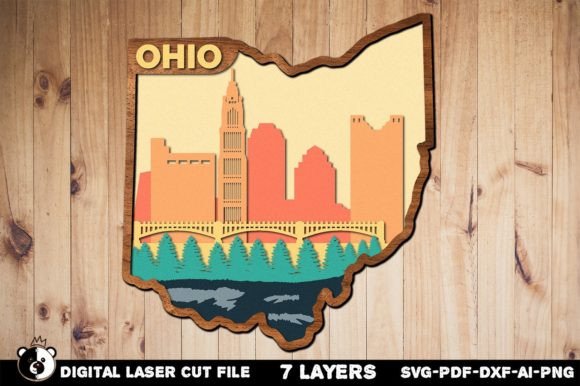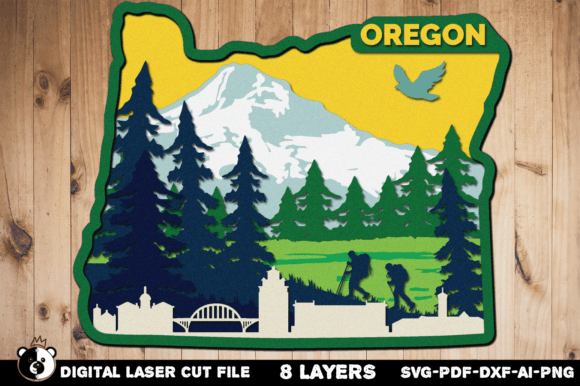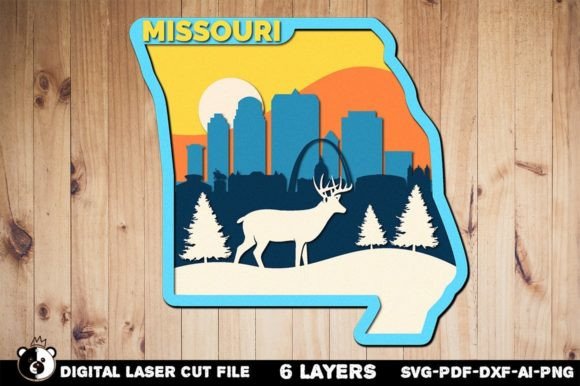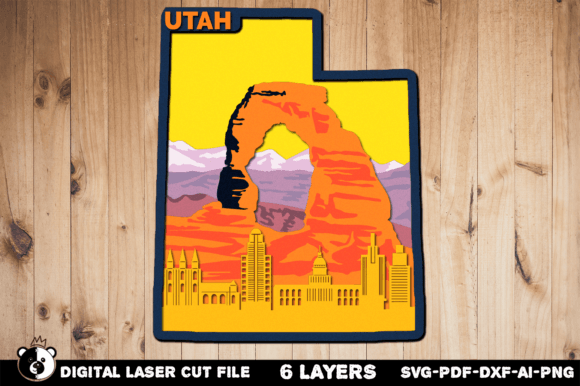
Utah SVG, 3D Layered Laser Cut File for CNC Projects
The Utah SVG, 3D Layered Laser Cut File is a digital design package tailored for precision cutting using laser or CNC technology. This project is ideal for creating detailed, three-dimensional wooden structures from materials like plywood. The file includes vector drawings in electronic format, making it easy to modify and customize according to specific needs. Once downloaded, the design can be adjusted, then sent to a laser cutter or CNC machine for production.
What Makes Utah SVG, 3D Layered Laser Cut File Unique?
Unlike generic design files, the Utah SVG project is structured with layered components that allow for intricate 3D assembly. Each layer is designed to interlock or fit together seamlessly, reducing the need for additional fasteners or adhesives. This makes the project highly efficient for both small-scale crafting and large-volume manufacturing. The design is optimized for laser cutting, ensuring clean edges and accurate dimensions when using materials such as 3mm plywood, which is recommended for its balance of durability and ease of cutting.
The file is archived in a format that allows users to access and edit the design without requiring advanced software. This accessibility is a key advantage over more complex CAD files, which may require specialized tools or training. The simplicity of the Utah SVG, 3D Layered Laser Cut File makes it suitable for hobbyists, makers, and professionals alike.
Comparing Utah SVG, 3D Layered Laser Cut File with Other Options
When considering alternatives, the Utah SVG, 3D Layered Laser Cut File stands out for its combination of detail, customization, and practicality. Traditional 2D cut files, for example, may lack the depth and complexity needed for 3D structures, requiring additional steps to assemble. In contrast, the layered approach of this project streamlines the building process, reducing time and effort.
Other options, such as pre-made kits or custom-designed models, often come with higher costs or limited flexibility. While some ready-to-use products may offer convenience, they typically restrict modifications. The Utah SVG, 3D Layered Laser Cut File provides a middle ground—offering a base design that can be altered to suit different purposes, while still maintaining structural integrity.
For those looking for a digital file that supports mass production, the Utah SVG project is particularly advantageous. Its compatibility with CNC machines and laser cutters allows for consistent output across multiple units, making it a cost-effective choice for manufacturers. This contrasts with hand-crafted methods, which may vary in quality and efficiency.
Strengths and Tradeoffs of Using Utah SVG, 3D Layered Laser Cut File
The primary strength of the Utah SVG, 3D Layered Laser Cut File lies in its adaptability. Users can modify the design layout to fit their specific requirements, whether for personal use, commercial projects, or educational purposes. This level of customization is not always available with pre-designed templates or off-the-shelf products.
Another benefit is the economic aspect. Since the file is downloadable and reusable, there are no recurring costs for digital assets. Additionally, the recommended material—3mm plywood—is affordable and widely available, further reducing production expenses. This makes the project an attractive option for individuals or businesses looking to minimize costs without sacrificing quality.
However, there are tradeoffs to consider. The success of the project depends on the user’s ability to properly set up and operate the laser or CNC machine. Inexperience with these tools may lead to errors in cutting or assembly. Furthermore, while the design is optimized for laser cutting, it may require adjustments if used with alternative fabrication methods.
Another limitation is the restriction on distributing the digital files. While users can print and sell the physical products, they cannot share or resell the original design. This is important for those planning to use the project in a commercial context, as it ensures that the original creator retains control over the intellectual property.
Best Situations for Using Utah SVG, 3D Layered Laser Cut File
The Utah SVG, 3D Layered Laser Cut File is ideal for projects that require precise, repeatable cuts and a high level of detail. It is particularly well-suited for creating decorative items, architectural models, or custom furniture pieces. For example, a maker might use the design to produce a series of 3D wooden signs or wall art, each customized with different colors or textures.
This project is also beneficial for educational settings, where students can learn about design principles, material properties, and fabrication techniques. The ability to modify the file allows for hands-on experimentation, helping users understand how changes in layout affect the final product.
Businesses focused on small-batch manufacturing or personalized products can leverage the Utah SVG file to create unique items efficiently. By adjusting the design, they can offer variations that appeal to different customer preferences, all while maintaining consistency in production.
When to Consider Alternatives
While the Utah SVG, 3D Layered Laser Cut File is a strong option, there are scenarios where other solutions may be more appropriate. For instance, if a project requires a completely unique design that isn’t easily modified from a template, hiring a designer to create a custom file may be necessary. Similarly, for those without access to laser cutting equipment, the project may not be feasible unless outsourcing is an option.
Users who prefer fully assembled products may find that the Utah SVG file requires additional work to complete. In such cases, purchasing a pre-assembled model or working with a service that offers both design and assembly could be a better fit. Additionally, for those who want full control over the digital assets, creating a custom design from scratch might be preferable, even if it involves a steeper learning curve.
Practical Use Cases and Realistic Examples
A common use case for the Utah SVG, 3D Layered Laser Cut File is in the creation of wooden puzzles or interactive models. These can be sold as educational toys or artistic pieces, with the design adapted to include different levels of difficulty or thematic elements. Another example is the production of custom signage, where the file is modified to include text, logos, or patterns that align with a brand’s identity.
In home décor, the project can be used to make 3D wall art or decorative panels. After cutting, the pieces can be painted or finished with embellishments, allowing for creative expression. For event planners or retailers, this flexibility means the same base design can be repurposed for various occasions, such as weddings, parties, or store displays.
Manufacturers looking to scale production may find the Utah SVG file useful for creating prototypes or test runs before committing to a larger order. The ability to quickly adjust the design helps identify potential issues and refine the final product before mass production begins.
Final Considerations for Choosing Utah SVG, 3D Layered Laser Cut File
The Utah SVG, 3D Layered Laser Cut File offers a compelling solution for those interested in laser-cut woodworking projects. Its combination of detail, customization, and affordability makes it a versatile tool for both personal and commercial use. However, the decision to adopt this file should be based on the user’s technical capabilities, available resources, and specific project goals.
For those who value flexibility and efficiency, the Utah SVG project can serve as a reliable foundation. For others, exploring alternative options may provide a better match. Ultimately, the key is to evaluate the strengths and limitations of the file in relation to the intended application, ensuring that it aligns with both practical and creative objectives.