Sacred Geometry, 3D Geometry
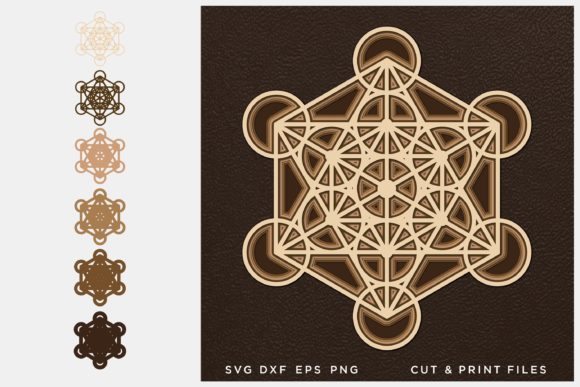
Sacred Geometry and 3D Geometry blend mathematical precision with artistic expression. These designs often feature intricate patterns, symmetrical shapes, and harmonious proportions that evoke a sense of balance and beauty. The visual characteristics of these styles are both complex and elegant, making them ideal for projects that require a touch of sophistication and depth.
Whether you're working on a logo, a website, or a print campaign, Sacred Geometry and 3D Geometry can add a unique aesthetic that stands out. Their personality is both modern and timeless, appealing to a wide range of creative professionals. The style is versatile enough to work in various design contexts, from editorial layouts to packaging and branding.
The appeal of these designs lies in their ability to communicate meaning through form. They can be used to convey concepts like harmony, unity, and transcendence, which makes them particularly effective in spiritual or philosophical themes. At the same time, their clean lines and structured forms make them suitable for more contemporary and minimalist applications.
Where Sacred Geometry, 3D Geometry Works Best
Sacred Geometry and 3D Geometry are powerful tools across multiple design disciplines. In branding, they can help create a strong visual identity that resonates with audiences. For logo design, these styles offer a way to express values and mission through symbolic imagery. In editorial design, they can enhance the visual storytelling of a publication, adding layers of meaning and interest.
Packaging design benefits from the complexity and elegance of these styles. They can elevate the look of a product, making it more attractive and memorable. In web design, they can be used to create engaging visuals that support the user experience. Social media graphics also benefit from their striking appearance, helping content stand out in a crowded digital space.
For personal projects, these designs can serve as a source of inspiration and creativity. Whether you're creating art, crafting, or exploring new design ideas, Sacred Geometry and 3D Geometry provide a rich foundation for experimentation. In commercial projects, they can be used to differentiate a brand and create a lasting impression.
Influence on Readability and Brand Perception
While Sacred Geometry and 3D Geometry are primarily visual elements, they can influence how audiences perceive a brand. The use of these styles can enhance readability by creating a clear visual hierarchy. When used thoughtfully, they can guide the viewer's eye through a design, making information easier to process.
These styles also play a role in brand perception. A well-designed layout using Sacred Geometry and 3D Geometry can communicate professionalism and attention to detail. Consistency in the use of these elements helps build brand recognition, making it easier for audiences to identify and remember a brand.
Audience engagement is another area where these styles can make an impact. Their unique and compelling visuals can capture attention and encourage interaction. Whether in print or digital formats, they can help create a more immersive and memorable experience for users.
Choosing the Right Font for Your Project
When selecting a font that complements Sacred Geometry and 3D Geometry, consider the overall tone and purpose of your project. A premium font with a strong visual presence can enhance the impact of these designs. Look for a display font that balances complexity with clarity, ensuring it remains legible even at smaller sizes.
Evaluate how the font pairs with other elements in your design. A well-chosen font pairing can create a cohesive and professional look. Test different combinations to see which ones work best for your specific needs. Pay attention to the spacing, weight, and contrast between fonts to achieve a balanced composition.
Review the included styles to ensure they meet your project requirements. Some fonts may have variations that offer more flexibility, while others may be more limited. Consider the context in which the font will be used—whether it's for a logo, a headline, or body text—and choose accordingly.
Readability is crucial, especially if the font will be used in large blocks of text. Even the most visually appealing font should be easy to read. If necessary, adjust the size, spacing, or color to improve legibility without compromising the design.
Commercial Licensing and Design Assets
Understanding the commercial licensing terms of a font is essential before using it in a professional project. Ensure that the license covers all intended uses, including print, digital, and web applications. This helps avoid any legal issues and ensures that your design work remains compliant.
Design assets such as SVG, EPS, and DXF files offer flexibility for different applications. These formats allow for easy editing and scaling, making them ideal for both digital and print projects. PNG files with transparent backgrounds are useful for overlays, illustrations, and social media graphics.
Using these file formats can streamline your workflow, allowing you to integrate the designs into various platforms and software. Whether you're working with vector graphics or raster images, having access to high-quality files ensures that your final output maintains its visual integrity.
For those working with materials like metal, wood, or vinyl, the availability of precise vector files makes it easier to produce accurate and detailed designs. This level of precision is important for maintaining the quality and consistency of the final product.
Practical Recommendations for Creative Professionals
For designers, entrepreneurs, and content creators, incorporating Sacred Geometry and 3D Geometry into your projects can add a unique and sophisticated touch. Use these styles to enhance your brand identity, create visually striking marketing materials, or explore new creative directions.
Consider how these designs can be used in different contexts. For example, a logo featuring Sacred Geometry can convey a sense of authenticity and depth, while a website layout with 3D Geometry can create an engaging and interactive experience. In publishing, these styles can be used to illustrate articles or enhance the visual appeal of a magazine.
Experiment with different applications to find what works best for your specific needs. Whether you're designing for a client, launching a product, or creating personal artwork, these styles offer a versatile and powerful tool for expression.